


What Are the Duties of an Executor?

Being named in a will as an executor can feel daunting, especially when you are grieving. It is a significant responsibility: you become legally responsible for sorting out the deceased's estate, often with no experience and no real idea of where to begin. The reassuring news is that the executor role follows a clear, defined process, and you do not have to manage it on your own. Our fixed-fee probate administration service can handle as much or as little of the work as you need. This guide walks through what executors actually do, the deadlines that matter most, and where people tend to slip up.
Executor duties UK: what the law expects
You may be asking, what exactly are the executor duties UK law places on the person named in a will? An executor, also called a personal representative, must collect in the assets the deceased owned, pay debts and tax, then share out what remains to the beneficiaries named in the will. The official overview on GOV.UK sets out these same broad responsibilities. That looks straightforward on paper. In practice, the executor duties UK families face can stretch across many months and involve property, pensions, bank accounts, and HMRC at the same time.
Valuing the estate assets and working out the estate value
Much of the early work is administrative. You will need to register the death and obtain the death certificate, or an interim death certificate if a coroner is involved. After that you track down account details and request date-of-death valuations to work out the estate value and list the assets owned. That means a thorough investigation of all financial assets, including the deceased's bank account. Keeping accurate records from day one makes the later stages, such as when you transfer money to beneficiaries, far smoother.
The main duties and key responsibilities of an executor
Most executor duties UK fall into a few clear stages:
- Find the will and register the death.
- Value the estate, including property, savings, investments, and any personal belongings.
- Apply for a Grant of Probate. It's a legal document that confirms your authority to act.
- Pay all debts, including any taxes (Inheritance Tax or otherwise) and any outstanding funeral bills.
- Distribute the estate assets to the beneficiaries as outlined in the will.
- Complete the accounts of the administration for the beneficiaries to inspect and approve.
If there is no valid will, the route is slightly different. The person dealing with the deceased person's affairs applies for letters of administration instead of probate, and is known as an administrator rather than an executor. Often that is the surviving spouse or civil partner.
Throughout the process, you have a legal duty to act in the best interests of the beneficiaries and the estate as a whole. That means staying impartial, even where you are also a beneficiary yourself, and being able to show how each decision was reached.
Do you have to apply for probate if you are named?
Being named as an executor does not force you to take the role on. If you do not feel able to act, perhaps because of ill health or distance, you can renounce, provided you have not already started dealing with the estate. Where several executors named in the will are willing, one or more can step back and let the others apply for probate. It is worth deciding early, because once you begin administering an estate, stepping away becomes much harder.
Key deadlines
Some of the most stressful parts of estate administration are the deadlines. Miss one, and you can create extra cost or even personal liability. Staying on top of these dates is one of the harder parts of executor duties UK.
| Task | Typical timing |
|---|---|
| Report and pay inheritance tax | Any inheritance tax owed is due by the end of the sixth month after the deceased's death. Tax on property can be spread over ten annual instalments. |
| Place a creditor (Section 27) notice | You must wait at least two months after the notice before you can safely distribute the estate. |
| Apply for the grant of probate | Submitted after the estate is reported to HMRC. The grant itself usually takes around eight to twelve weeks to issue. |
| Distribute the estate | Only once the debts, tax, and the creditor notice period have all been dealt with. |
Protecting yourself with a deceased estate notice
Before you distribute anything, place a deceased estates notice, also called a Section 27 notice, in The Gazette and a local newspaper. It gives unknown creditors two months to come forward, and protects you personally if a debt appears later.
Where executors get caught out
Executors can be held personally responsible if they pay out too early, miss a creditor, or get the tax position wrong. There may be income tax to settle on rental income during the administration, and capital gains tax if assets rise in value before they are sold. This is why many people taking on executor duties UK seek professional advice rather than risk a costly mistake.
A common example is paying beneficiaries before settling a debt that surfaces later. If all the money has already gone out, the executor can be left personally liable for the shortfall and could even face court action. Placing the correct notices and holding funds back until you are certain protects you from exactly this problem.
If you are also thinking ahead about your own affairs, our wills, trusts and lasting powers of attorney service can make life far simpler for whoever administers your estate one day.
Frequently asked questions
How long does an executor have to settle an estate?
There is no rigid legal deadline, but executors are generally expected to settle a straightforward estate within about a year. This is often called the executor's year. Estates involving property, tax, or a dispute can reasonably take longer.
Can an executor be paid for their work?
A family member acting as executor cannot usually charge for their time, but can reclaim reasonable out-of-pocket expenses from the estate. A professional executor, such as a solicitor or specialist firm, can charge if the will allows it.
What happens if an executor refuses or fails to act?
A named executor who does not want the role can renounce before getting involved, or let another named executor take over. An executor who takes it on and then neglects the work can be removed by the court and may face personal liability.
Can there be more than one executor?
Yes. A will can name up to four executors to act together, which spreads the workload and the responsibility. They have to agree on decisions, so it helps to choose people who can work well with each other.
Do you need a solicitor to be an executor?
No. You can administer an estate yourself, and many people do for simpler cases. Professional help is worth considering when there is tax to pay, property to sell, a business involved, or any sign of a disagreement between beneficiaries.
Getting help with executor duties UK
You do not need to be a legal expert to be a good executor, but you do need accurate, current guidance through the probate process. We have supported Hertfordshire families for more than two decades, and you can read more about us and the way we work.
Fixed fees also remove a second worry. You know the cost before any work begins, so there are no surprise bills at an already difficult time. That certainty is often the difference between a calm process and a stressful one.
If the executor duties UK ahead of you feel overwhelming, speak to us before you take any action. One short conversation can save weeks of worry and help you avoid the common traps.
So, what are the duties of an executor in a single sentence? You gather in the estate, settle the debts and tax, then pass on what is left, fairly and in line with the will.
Ready to take the next step? Visit our homepage to see exactly how our fixed-fee service works, or get in touch for a free, no-obligation chat about the estate you are dealing with.
Back To BlogShare This Post


Recent posts
- What Are the Duties of an Executor? By , 15/06/2026
- Executor vs Administrator UK: What’s the Difference? By , 15/06/2026
- What Documents Do You Need for Probate? By Probate Bureau , 26/05/2026
2015 Archive
2016 Archive
2018 Archive
2019 Archive
2020 Archive
2023 Archive
- July 10 posts
0 Archive
- December 1 posts
Blog Categories
Find your way through the probate maze
Click here to follow our step-by–step probate process guide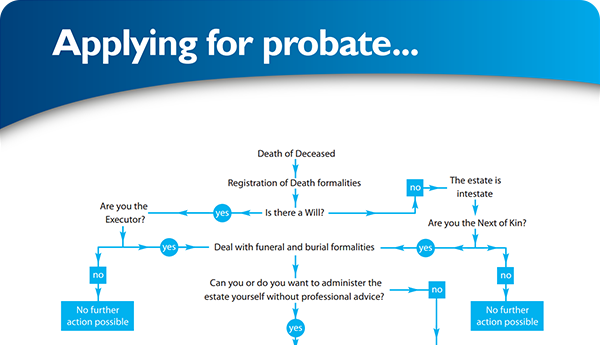
Testimonials
Excellent service, everything went very smoothly. Like to thank Ann and her team.... read more
Good & Reliable service, always kept up to date with what was happening. Value for money.... read more
Latest Tweet
Follow @ProbateBureau


Contact Us
0800 028 2837 info@probatebureau.comTHE PROBATE BUREAU
3 Crane Mead Business Park
Crane Mead
Ware
Hertfordshire
SG12 9PZ
×